Holyson: A Handwritten Font That Adds Personality to Your Campaigns
It was 9 a.m. on a Monday, and I was deep in the final stages of an Instagram content series for a wellness brand launching a new online course. The art director had just shared some initial mockups with a more formal script font that felt safe but uninspired. I needed something that could bring warmth, energy, and a touch of authenticity to the visuals—something like Holyson.
A Font That Feels Like a Friend
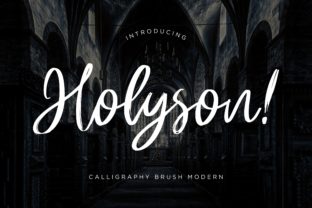
Holyson is a handwritten script typeface with a unique charm that immediately stands out from the crowd. It’s not just another cursive font—it carries a sense of playfulness while maintaining enough structure to be legible in most campaign settings. Its strokes are lively yet balanced, making it perfect for creative projects where you want to convey a personal or artistic tone without sacrificing clarity.
Putting Holyson into Action
I started by using Holyson as the headline font for a teaser post promoting the course. The message read, “Find your flow again,” and the font added a human touch that made the text feel like a direct invitation rather than just another ad. The organic curves and slight variations between characters gave it a handcrafted vibe, which aligned well with the brand's mission of mindful living and self-discovery.
Next, I tested it in a YouTube thumbnail design. The title there was short and punchy: “Your Mind Matters.” I paired it with a bold sans serif for the supporting text and noticed how the contrast helped highlight the emotional core of the message. The thumbnail looked inviting and trustworthy, even with minimal text—a big win for grabbing attention in fast-scrolling feeds.
How Holyson Stands Out in Digital Campaigns
What makes Holyson particularly useful for marketers is its ability to create first impressions that resonate emotionally. In today’s visual-first world, audiences often decide within seconds whether to engage with a piece of content. A font like Holyson can help make that decision work in your favor.
Its cheerful personality works especially well in social media graphics and promotional banners. For example, when building a Pinterest campaign around seasonal product bundles, I used Holyson for decorative titles and callouts. It added a whimsical flair that encouraged users to stop scrolling and click through. The font also performed well in website banners and email headers, where it helped establish a friendly, approachable brand voice.
Readability and Visual Hierarchy in Real Conditions
One concern I always have when using script fonts is readability, especially at smaller sizes or on mobile screens. Holyson surprised me here. While it’s definitely a display font, it maintains enough consistency across letters that it doesn’t become too jarring in short headlines or call-to-action phrases. I found that keeping line lengths under six words and avoiding all-caps helped preserve its legibility.
For small previews like reels covers or Twitter cards, I adjusted the spacing and simplified the background to ensure the message stood out. When using it over dark backgrounds, I increased the stroke weight slightly and added a subtle drop shadow to maintain contrast. On light backgrounds, it shone naturally, almost glowing with its soft, rounded edges.
When to Use Holyson and When to Hold Back
Holyson excels in short-form messaging. Think of it as the kind of font you’d use for a logo-style tagline, a branded quote graphic, or a campaign label. It’s great for display text in digital ads, especially when you want to inject a little creativity or emotion into your message. But it’s not the best choice for long paragraphs or dense information blocks. Attempting to use it in body copy for a webinar landing page would have been a mistake—its fluid style isn’t suited for reading large amounts of text quickly.
If your campaign includes anything with tiny text, like a coupon code overlay on a video or a QR code graphic, stick to a clean sans serif instead. Holyson is better reserved for impact moments: hero headlines, promo titles, and other high-attention areas where a few words can carry a lot of weight.
Font Pairing Strategies for Campaign Consistency
Pairing Holyson with the right supporting typefaces is key to maintaining a cohesive look. I typically go for a modern sans serif like Montserrat or Lato to balance its script style. This combo gives the design a professional backbone while letting Holyson shine as the emotional hook. If the project leans more editorial or luxurious, I’ll pair it with a lighter serif font like Playfair Display or Merriweather to add sophistication without clashing.
When working with other script or handwritten fonts, I avoid using them in the same hierarchy. Holyson has a distinct rhythm and character, so mixing it with similar styles can muddy the message. Instead, use it alone for maximum effect or pair it with complementary geometric or minimalist fonts for contrast and clarity.
Designing with Holyson in Brand Campaigns
During a recent holiday sale campaign for a boutique skincare line, I used Holyson for the main headline in a set of Instagram posts and carousel ads. The phrase “Glow Naturally This Season” was placed over warm, nature-inspired visuals. The font’s playful yet elegant style perfectly captured the brand’s blend of science and soulful care.
For email banners, I applied it to subject lines and section headers. Since many emails open on mobile devices, I made sure to test different weights and sizes. The thinner version worked for subtle accents, while the bolder variant held up well in thumbnails and image overlays.
Another scenario where Holyson thrived was in a branded template pack for a client’s content calendar. The templates included headers for blog posts, YouTube intros, and social stories. The font brought a consistent, recognizable element across all formats, reinforcing the brand’s identity subtly and effectively.
Practical Tips for Using Holyson in Campaigns
- Use sparingly: Reserve Holyson for key messages, headlines, and logos. Don’t overload your designs with it.
- Test on mobile: Ensure it looks clear and readable in preview sizes, especially for YouTube thumbnails and Instagram Stories.
- Check file formats: Confirm that the font files (OTF, TTF, WOFF) are compatible with your design tools and platforms.
- Review licensing: Make sure the commercial font license allows usage in digital ads, merchandise, and other campaign assets.
- Explore alternates: Many premium fonts include ligatures and alternate glyphs. These can add variety without compromising legibility.
- Consider multilingual support: If your audience spans multiple languages, check if Holyson supports the necessary characters and diacritics.
Why Marketers Should Care About Holyson
In a sea of templated content and stock fonts, having access to a creative font like Holyson can give your campaigns a much-needed boost in originality. It communicates warmth and authenticity, which are powerful tools in customer engagement. Whether you're designing a YouTube thumbnail for a lifestyle vlog or crafting a banner for a product launch, Holyson adds a layer of storytelling through typography.
But beyond aesthetics, it helps build brand recognition. Once your audience sees the same font consistently across your visual materials, they start to associate it with your message and values. That’s the power of thoughtful typography in marketing: it becomes part of your brand identity, subtly influencing how people perceive your business.
Final Takeaways for Designers and Marketers
Holyson is a standout among script and handwritten fonts for its balance of fun and functionality. It’s ideal for short, impactful statements in digital spaces where visual appeal matters as much as message clarity. As a marketing designer, I’ve found it to be a reliable tool for creating engaging content across platforms, from Instagram posts to web banners.
Just remember, no font is a one-size-fits-all solution. Holyson may not suit every campaign, especially those requiring dense data or formal tone. But for the right use cases—product teasers, quote graphics, event announcements, and branded content—it’s a valuable asset in any designer’s toolkit.